
CEMP Update + COOP Development
Westchester County, New York

Westchester County, New York
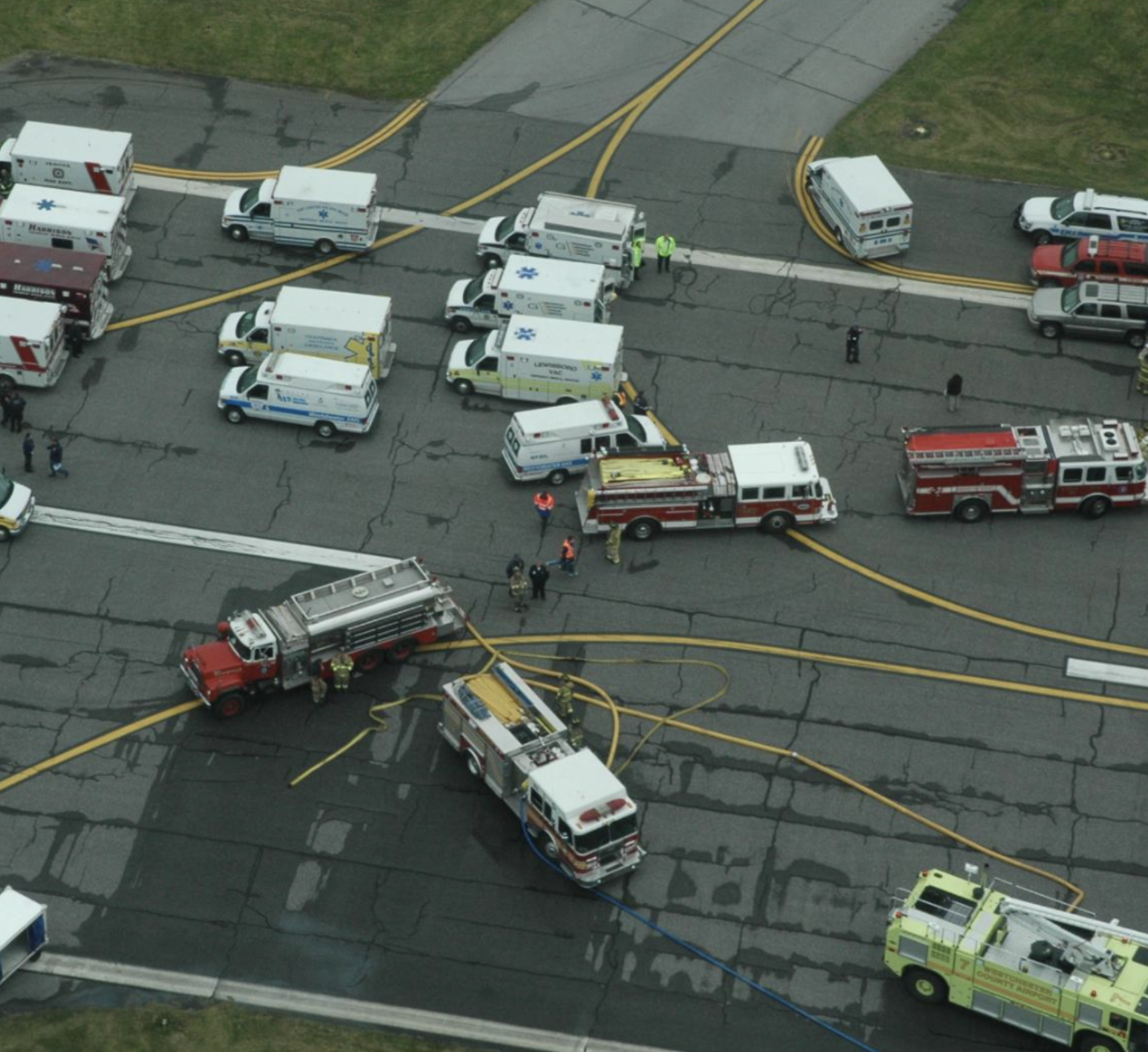
As a subconsultant to Contingency Management Consulting Group (CMCG), ACDC is supporting the development of Westchester County’s Continuity of Operations Plan (COOP) and the update to their Comprehensive Emergency Management Plan (CEMP). The existing CEMP has not been comprehensively updated in several decades, therefore the CMCG and ACDC team undertook a multi-faceted stakeholder engagement process to understand roles and responsibilities, capabilities, and risks the County may respond to.
In alignment with national COOP best practices and federal standards (Continuity Circular Guidance), ACDC designed and facilitated a structured, collaborative planning process tailored to the County’s operational needs and organizational structure, providing comprehensive support to ensure the County’s ability to maintain essential functions during a wide range of disruptions. The project began with three to four department-wide planning meetings, during which ACDC guided agency leadership and key staff through each COOP section, explained the required information, and outlined how their contributions would shape the overall plan. These sessions helped establish a shared understanding of continuity principles and fostered engagement across County departments.
ACDC synthesized input from multiple departments, translating diverse operational priorities and functional requirements into a cohesive, countywide COOP. This includes identifying essential functions, orders of succession, delegations of authorities, vital records and systems, and alternate facilities to support continuity under a broad range of hazard scenarios. Throughout the process, ACDC provided technical assistance, facilitated decision-making, and ensured that the final plan aligns with the County’s priorities and nationally recognized standards.
The resulting COOP will provide Westchester County with a practical, actionable tool for sustaining operations during emergencies and strengthening organizational resilience across departments.
For the CEMP, ACDC and CMCG engaged all 34 County departments and 17 municipal jurisdictions to identify roles, responsibilities, and emergency response tactics to establish an updated response protocol between the County and its jurisdictions in alignment with FEMA’s Comprehensive Planning Guide 101 and New York States Executive Law 2-B guidelines and national best practices. Departments and jurisdictions attended kickoff meetings and review sessions and collaboratively reviewed drafts to ensure the CEMP aligned with the County’s current response capabilities.
Coconino County, AZ
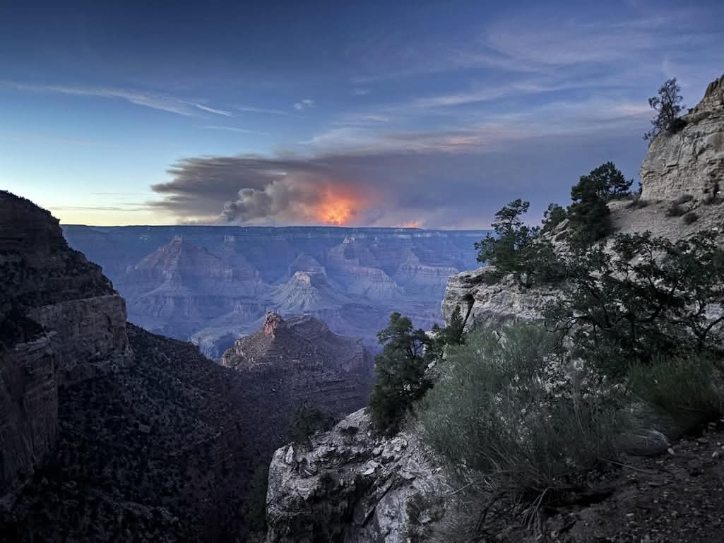
In 2025, the Dragon Bravo and White Sage Fires collectively burned over 200,000 acres across Northern Arizona, producing region-wide disruptions to tourism economies, workforce stability, cultural sites, and access to the Grand Canyon’s North Rim. The historic Grand Canyon Lodge was among the significant losses. The scale of these wildfires made the Dragon Bravo Fire the largest wildfire in Coconino County’s history, with profound impacts on gateway communities and federal, Tribal, and local partners alike.
Coconino County engaged ACDC to develop a disaster-specific Long-Term Recovery Plan (LTRP) that translates immediate fire impacts into a structured, actionable recovery roadmap. The LTRP is grounded in intentional partnership development across federal, Tribal, county, municipal, and private sectors, emphasizing trust, shared governance, and implementation readiness. ACDC is leading robust stakeholder and community engagement, operationalizing the County’s Disaster Recovery Framework through coordinated task forces aligned with key recovery areas including economic revitalization, health and social services, and natural/cultural resource protection.
ACDC’s scope includes facilitating community and Tribal listening sessions, documenting stakeholder input in real time, and converting qualitative concerns into grant-ready recovery priorities. These engagement efforts reflect the broad community interest in shaping recovery: County leaders have hosted nine in-person public meetings across affected areas to gather insight for the LTRP, a process that garnered media attention from Fox10 News Phoenix, highlighting the County’s efforts to solicit wide public input on recovery needs and priorities. Through this structured yet adaptive engagement and task force coordination model, the LTRP addresses tourism losses, workforce housing strain, and cultural resource protection – while defining roles, responsibilities, timelines, and alignment with funding pathways.
By using recovery planning as a collaborative mechanism, the project is enhancing cross-jurisdictional coordination, strengthened trust among partners, and created clarity around recovery governance – turning a complex wildfire aftermath into coordinated, community-driven recovery action.
Maui County, Hawaii (on behalf of Maui Emergency Management Agency (MEMA)
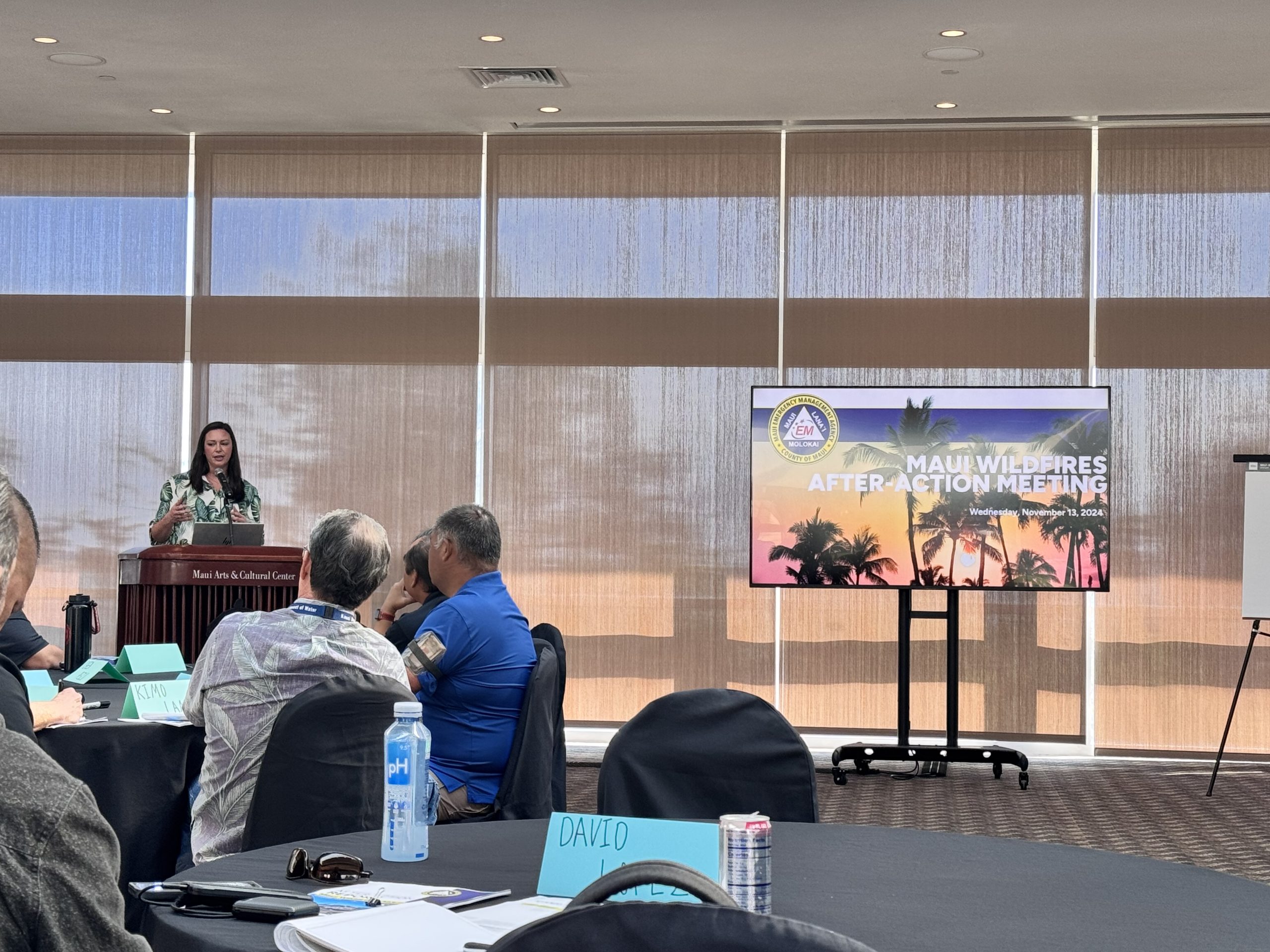
Maui County engaged ACDC to conduct a comprehensive After-Action Review (AAR) for the Maui Emergency Management Agency (MEMA) following the August 2023 Lahaina Fires. Through document analysis, over 40 interviews, and an in-person After-Action Meeting, ACDC identified strengths, gaps, and improvement opportunities in emergency coordination and decision-making. Despite a compressed timeline, ACDC delivered a high-quality, accessible AAR with actionable recommendations to enhance MEMA’s future preparedness and response capabilities.
The project was executed in three phases. It began with a planning meeting to validate the work plan, define key stakeholders, establish focus areas, and confirm the timeline. ACDC then reviewed all relevant plans and operational materials used during the incident, including the EOP, IAPs, situation reports (Sitreps), and existing AARs from partner agencies. A secure SharePoint/Teams collaboration site was created to facilitate efficient document sharing.
In the second phase, ACDC conducted a thorough analysis of the documents to understand the roles, responsibilities, and capabilities of responding entities. Over 40 individual interviews followed this, held both in person and virtually, with key personnel and agency representatives involved in the response. These interviews helped establish core themes, validate findings, and shape the improvement recommendations.
The final phase focused on consolidating insights into an annotated outline and draft report, which incorporated stakeholder feedback. ACDC then facilitated an in-person After-Action Meeting (AAM) to validate key findings and gain consensus on the improvement plan matrix. EGS personnel played a pivotal role in the data collection, key personnel interview process and the development and final reviews of the report. The final AAR was delivered professionally formatted and compliant with federal accessibility standards.
Despite the challenge of a compressed timeline, our team adapted quickly by offering flexible scheduling, prioritizing early engagement, and leveraging virtual tools to accommodate participants. This approach ensured timely and accurate information collection while maintaining momentum throughout the project. The result was a high-quality, actionable AAR that met all deliverable requirements and provided MEMA with critical insights to strengthen future emergency management capabilities.
American Red Cross
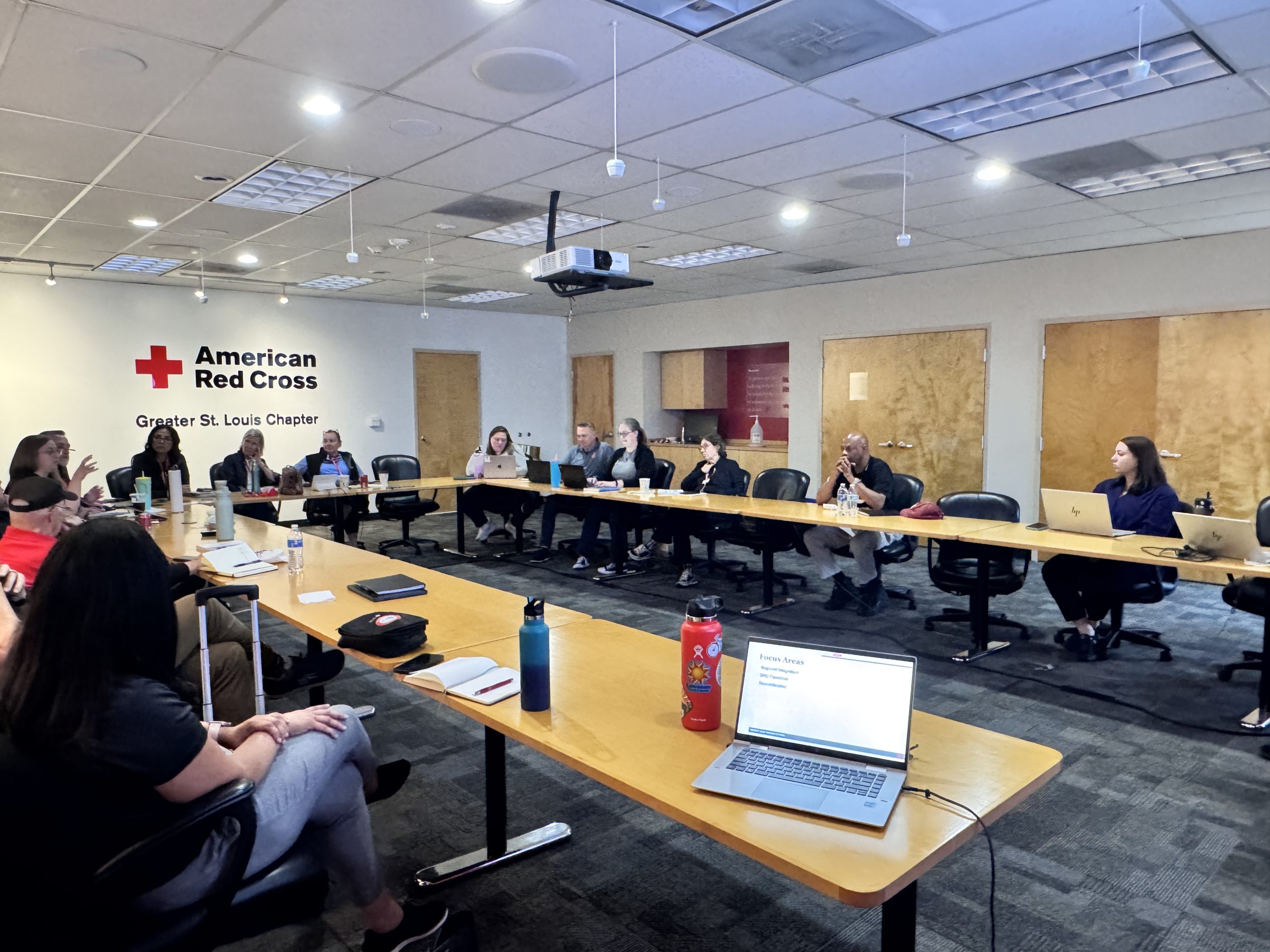
ACDC partners with the American Red Cross to strengthen disaster response and recovery through continuous improvement, strategic planning, and operational analysis. Across a wide range of incidents—including wildfires, hurricanes, and complex national response operations—ACDC delivers after-action reviews, hotwashes, and program management support that help identify lessons learned, uncover systemic trends, and enhance readiness at all levels. This work includes developing scalable frameworks, analyzing data across incidents, and equipping Red Cross teams with tools, training, and actionable insights to improve performance in real time and over the long term.
City of Portland, Bureau of Emergency Management
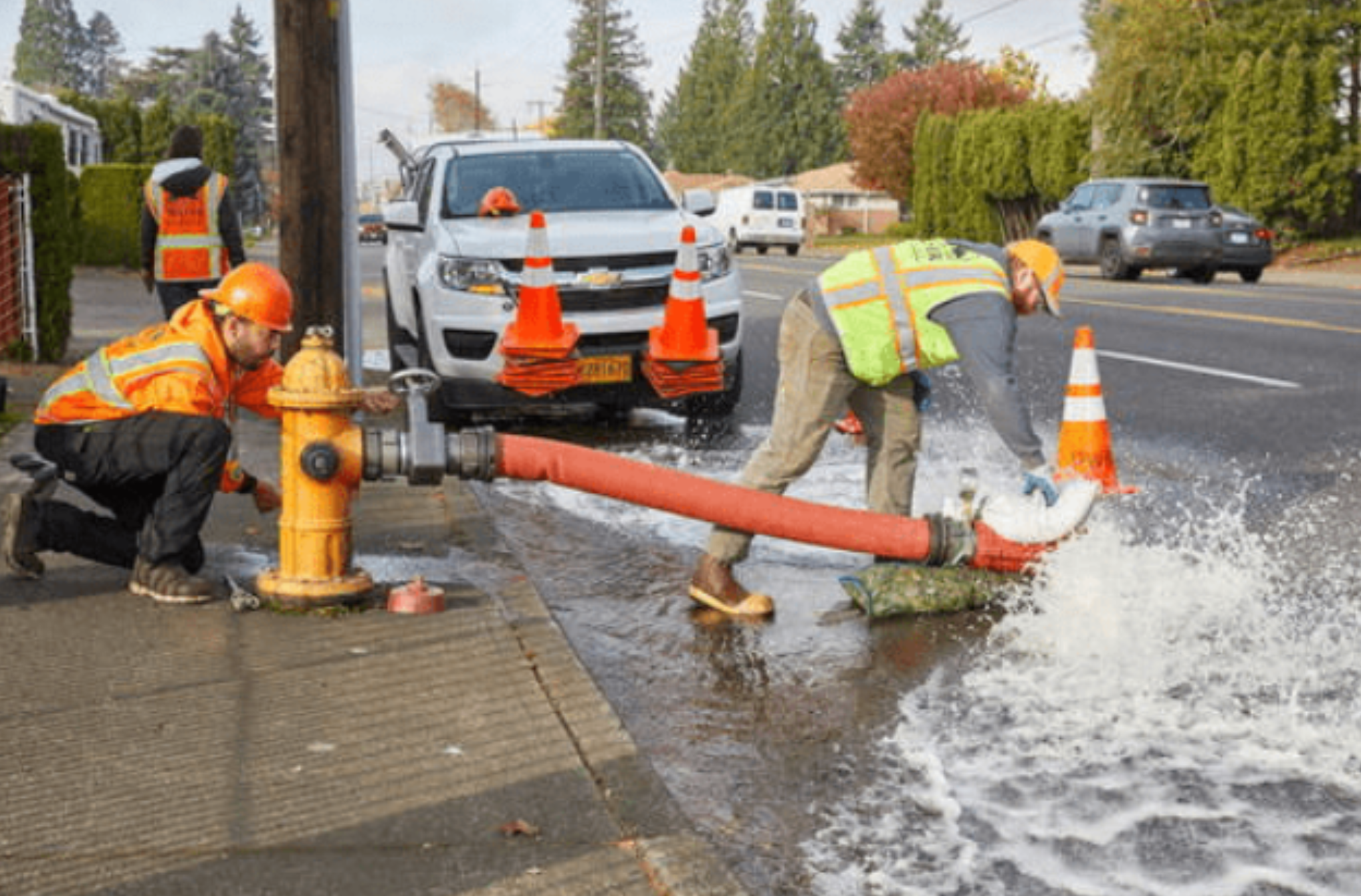
ACDC successfully partnered with the City of Portland, Bureau of Emergency Management, and the Regional Disaster Preparedness Organization (RDPO) to develop a comprehensive Regional Provision of Emergency Drinking Water Framework. This project was designed to ensure the region’s readiness to provide emergency potable water in the event of a medium-impact earthquake, catastrophic earthquake, or terrorism event.
ACDC meticulously identified and documented the roles, responsibilities, and authorities of all emergency water provision partners, including municipal, county, state, federal, private sector, and non-profit entities. Our team conducted an in-depth analysis of existing plans, policies, procedures, and equipment inventories, ensuring alignment with the Safe Drinking Water Act, the America’s Water Infrastructure Act of 2018, and the National Incident Management System (NIMS).
We developed a draft methodology to estimate daily and weekly emergency potable water needs for the region, taking into account the scale of outages, population demographics, and specific water quality targets. ACDC also identified and mapped available resources for water supply and delivery, conducted a gap analysis, and proposed strategies to address the identified gaps.
Our work culminated in the delivery of a robust, actionable framework that includes regional policy recommendations, with a particular emphasis on ensuring water provision for vulnerable populations. ACDC also conducted stakeholder trainings and a workshop exercise to test and refine the framework, ensuring that all planning assumptions, guidelines, and policy recommendations were thoroughly vetted. The final framework was delivered in both draft and final versions, providing the Portland Metropolitan Region with a vital tool to ensure safe and effective emergency water distribution across multiple jurisdictions.
City of Mexico Beach, Florida
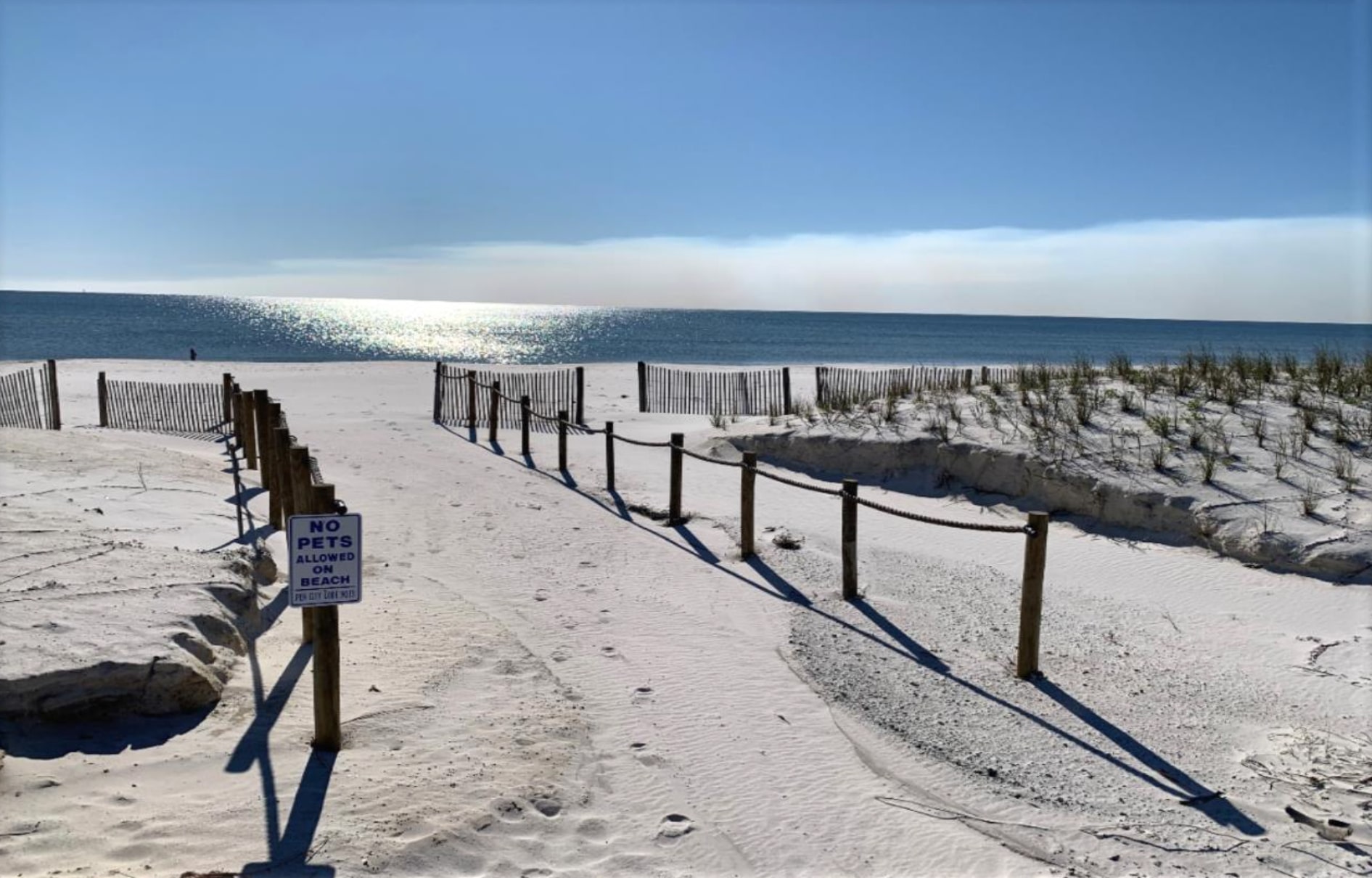
Following the catastrophic devastation of Hurricane Michael, ACDC has played a pivotal role in the recovery and resilience efforts of the City of Mexico Beach, managing over $400 million from FEMA, EDA, and NRCS funds.
ACDC worked directly with city, state, and federal staff post Hurricane-Michael to develop a resiliency and recovery plan for the City of Mexico Beach. As a component of the plan, ACDC staff performed a vulnerability assessment based on hazard identification, observed damages, wind maps, flood exposure and priority risk assessment. Once all vulnerabilities had been assessed, our staff performed an analysis of City infrastructure to determine adaptive capacity for mitigation and resiliency, existing resiliency actions already implemented, and developed an implementation plan for resiliency and mitigation options for future projects. ACDC also assisted the City with synthesizing stakeholder planning goals and objectives as well as facilitating public workshops and outreach sessions to get maximum public and local stakeholder input. Projects identified through this process for implementation in the Resiliency and Recovery Plan included regional stormwater detention and management, wastewater bypass pumping, jetty improvements involving sand bypassing, flood control, and hardened emergency facilities for police and fire.
ACDC also performs Certified Floodplain Management services on an as needed basis to provide flood plain plan review and maintain compliance with the adopted codes, ordinances, and all the associate referenced standards, rules, statutes.